
Introducing Your Next Chapter
Join us as we explore new destinations beyond our markets throughout the well-connected Sotheby’s International Realty network—for those considering where life might take them next.
First in our series: Dallas, Texas.
“Dallas has got so many different lifestyles, and so many of them are extraordinary, but they are very different.” That’s how the one-named Pogir, a sales associate in the Turtle Creek office of Briggs Freeman Sotheby’s International Realty and a 35+-year resident of Dallas, describes what it’s like to live in the city.
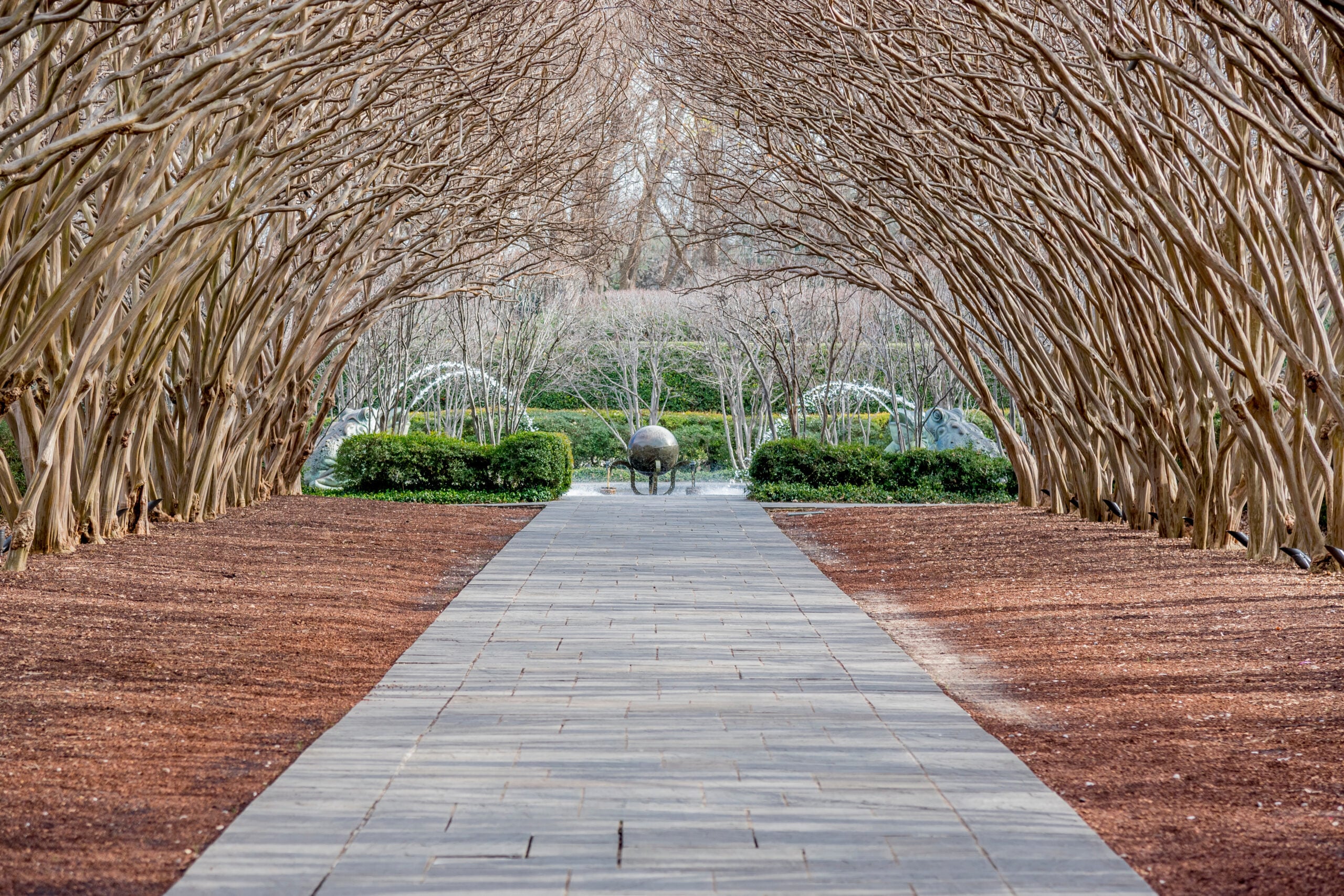
Dallas, and what it’s known for, has evolved considerably in recent decades. It boasts the familiar comforts of all the best U.S. cities: top-notch arts and culture (including the largest contiguous arts district in the country), entertainment, restaurants, shopping, schools, career opportunities, and healthcare options.
People considering a move to Dallas will find the city “far more cosmopolitan, more sophisticated, and more international” than they might have expected, says Pogir.
It’s not surprising, then, that Dallas is a hotspot for relocation. The city has experienced significant inbound migration from markets including California, New York, Illinois, and the Pacific Northwest, fueled in part by corporate relocations and from companies including Morgan Stanley and Goldman Sachs, who have both expanded their Dallas presence.
Dallas, Done Your Way
For relocators, Pogir stresses, a move to this Texas hotspot is about finding your version of Dallas. The city, he says, can be lived in many different ways. “The first thing I ask potential buyers is, ‘What makes you happy?’” he says. “Dallas has got so many different lifestyles, and so many of them are extraordinary, but they are very different.”
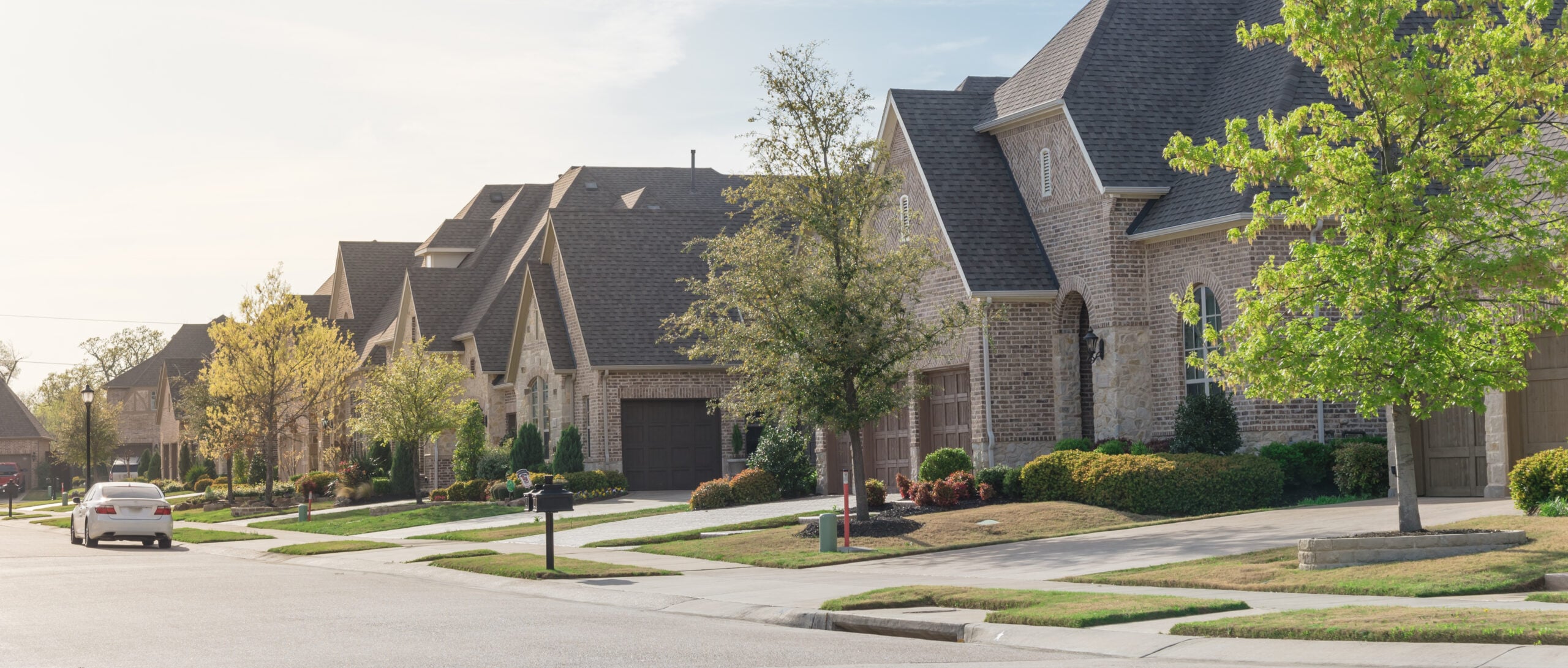
As something of an urban/suburban mash-up, Dallas truly offers options for every taste when it comes to residential real estate. Upscale high-rises? Check. Sprawling suburban mansions? Check. Historic homes in tight-knit communities? Check. Developments near shops, restaurants, and local amenities? Check.
Neighborhoods are plentiful and varied. Highland Park and University Park feature mature trees, established residential streets, historic architecture, sidewalks, and access to local public schools. Preston Hollow appeals to buyers seeking larger homes and lots, while Uptown, Turtle Creek, and Knox-Henderson attract people who want restaurants, shopping, trails, and a more urban residential experience.
The Katy Trail is a particular draw for residents who want to combine city living with the outdoors. (Pogir calls it “the South Beach of Dallas.”) The popular trail connects several established Dallas neighborhoods, offering access to restaurants, shops, and residential buildings. For a little more open space, White Rock Lake in East Dallas offers a scenic setting, with sailboats on the water and trails along the shoreline.

More Than Square Footage
Dallas may be known for its big homes, but Pogir encourages buyers to look beyond size when evaluating a local property. An architect for more than 30 years, he approaches real estate with an eye for the details that can make a meaningful difference in how a home lives.
“Please don’t talk to me about square footage or price per square foot,” he says. “Let’s go look at the design of the house. Let’s look at the quality. Let’s look at the layout. Even just the direction it faces—can you actually enjoy that golf course view during the hottest part of the day?”
Relocators should also consider how their needs might change over time, he notes. Pogir works with clients at different stages of life, whether that means transitioning from a larger property to a lock-and-leave high-rise or finding a home with more space for entertaining.
That same philosophy applies when it comes to budget. A $2 million price point, for example, could mean a charming older home with architectural details in East Dallas, a newer property with a larger lot and more entertaining space, or a luxury high-rise residence offering a more low-maintenance lifestyle.
What Your Budget Will Buy
Compared with markets such as New York and Los Angeles, Dallas can offer more purchasing power—particularly for buyers accustomed to paying a premium for space. But that doesn’t mean every corner of the market is a bargain. “Don’t assume you’re going to get a steal,” Pogir cautions.
The most desirable neighborhoods command substantial prices, he says, and buyers should consider the full cost of ownership, including property taxes, maintenance, insurance, and any applicable homeowners association fees.
Educational options are another consideration when relocating. Highland Park and University Park are served by Highland Park Independent School District, while the Preston Hollow area offers proximity to several private schools. Buyers interested in educational options should independently research school boundaries, enrollment requirements, application timelines, and availability.

A Few Things to Know Before You Go
For all its appeal, Dallas may require a few adjustments for newcomers. The first is transportation. “Dallas is a car city,” Pogir says emphatically. While certain neighborhoods offer access to restaurants, shopping, and trails within a short distance, most residents rely on a car for their daily transportation needs. Understanding where you’ll work, how often you’ll commute, and what amenities you want nearby can make a big difference in choosing where to live.
All those cars on the road can cause issues, but “traffic here is really not that bad,” says Pogir, who swears by the Dallas North Tollway, which he uses daily. Event days can bring backups: traffic around Southern Methodist University, for example, can be challenging during football games, while major sporting events can create congestion near downtown venues.
The weather is another consideration. Dallas summers can be intensely hot, and winter can bring occasional bouts of bitter cold. Outdoor activities may shift to early mornings or evenings during the hottest months, and air conditioning is an essential part of daily life. As Pogir puts it, “You just don’t go outside as much in extreme heat.”
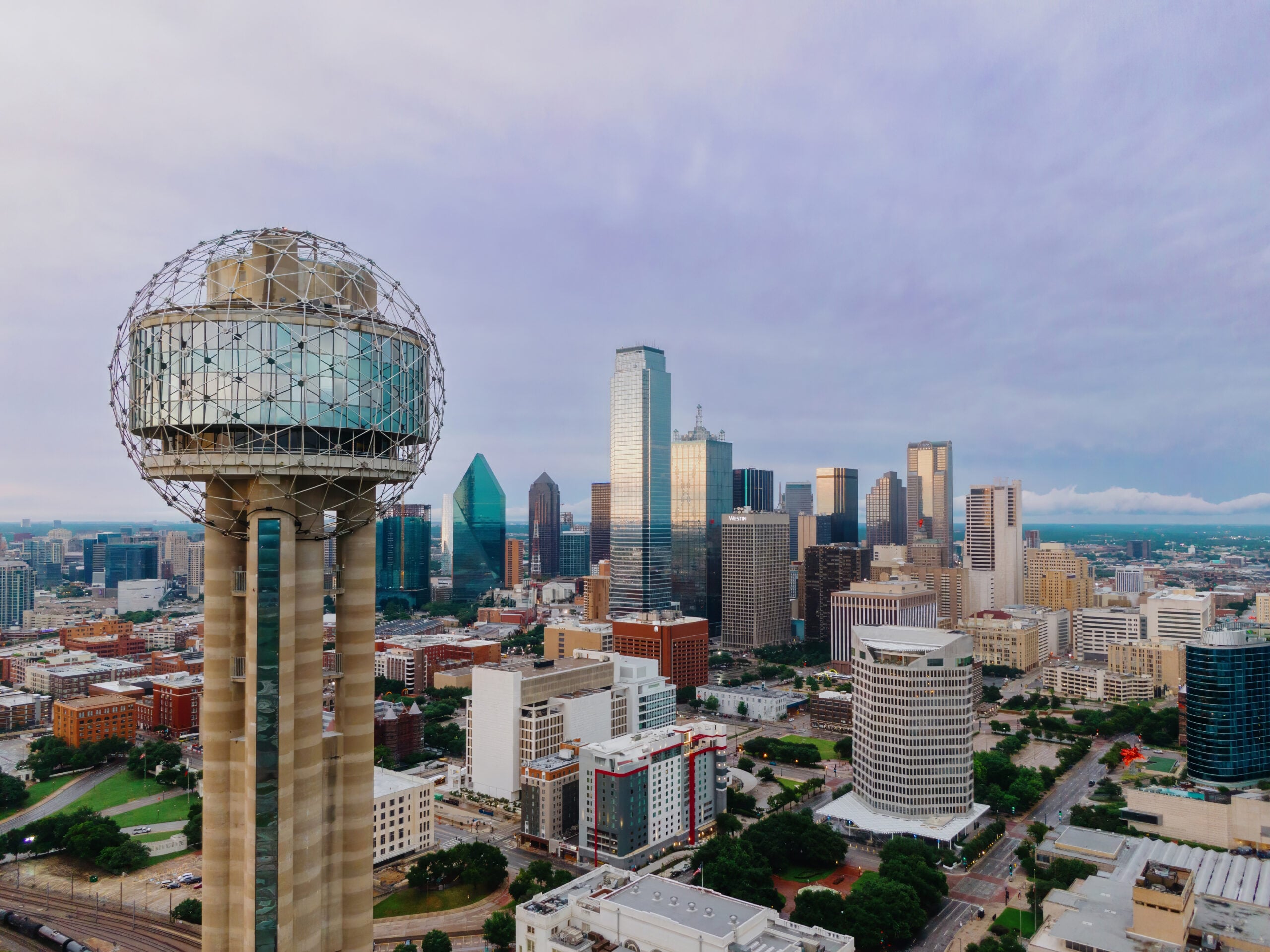
Downtown Dallas continues to evolve, with development and investment varying by location. Buyers should research the amenities, infrastructure, and planned developments in the areas they are considering.
Finding Your Place in Dallas
For anyone considering the move to Dallas and wondering where to put down roots, Pogir comes back to that first question: What makes you happy?
He advises potential relocators to spend time exploring different neighborhoods, think about how you want to live, and look beyond the house itself to the community, conveniences, and experiences that will shape your days.
For him, Dallas’ combination of big-city amenities and neighborhood warmth, along with the friendliness of the people who live there, make it the only place he wants to call home.
Your Next Chapter Starts Here
Considering Dallas for your next chapter? Explore available properties and discover more about the local real estate market through our Sotheby’s International Realty affiliate, Briggs Freeman Sotheby’s International Realty.
And follow along with Your Next Chapter as we continue exploring the destinations drawing residents from Connecticut, New York, and Massachusetts to new places and possibilities.

