Beacon, NY
$849,000

Hudson Valley, New York
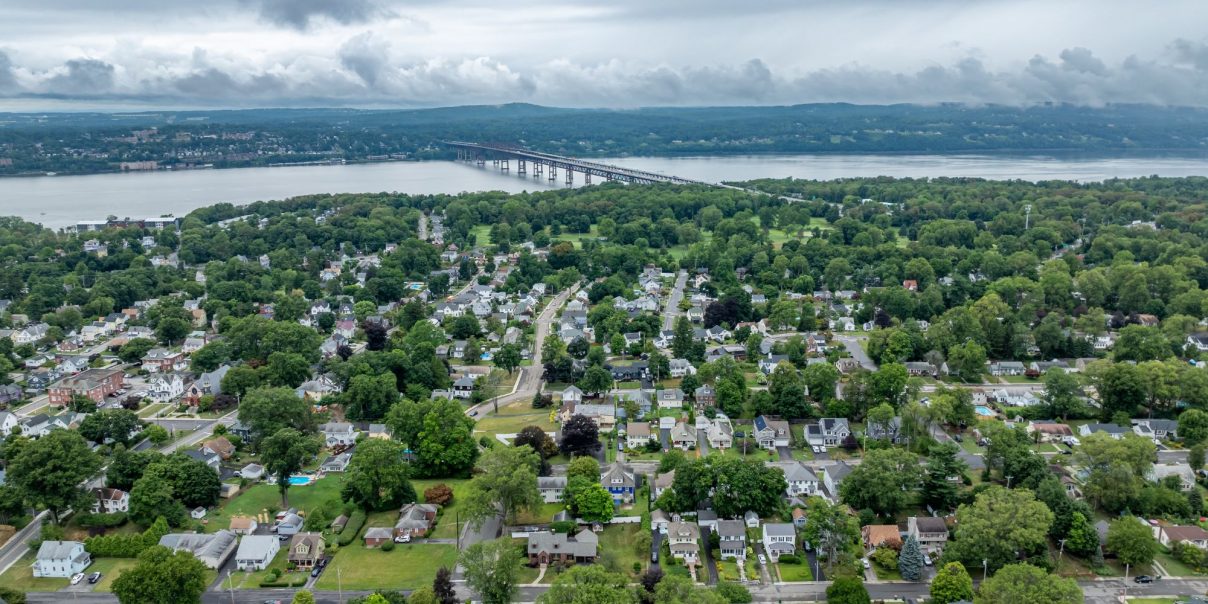
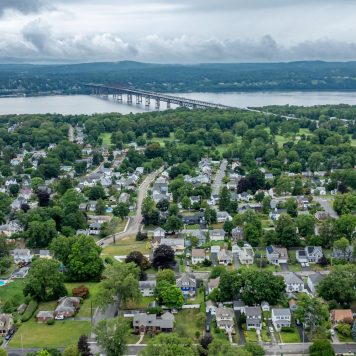
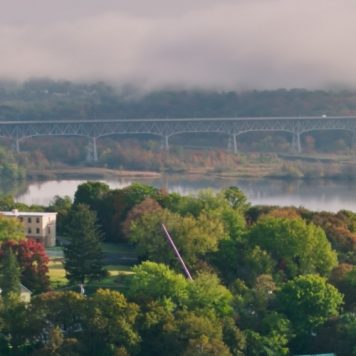
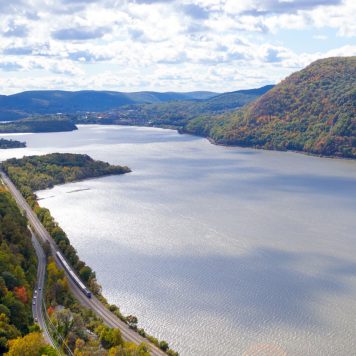
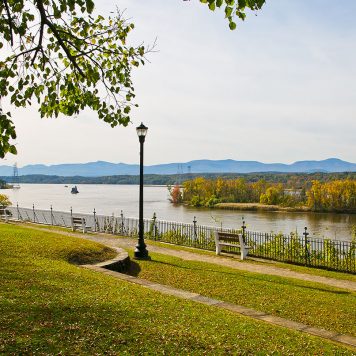
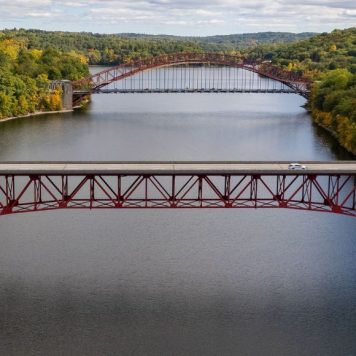
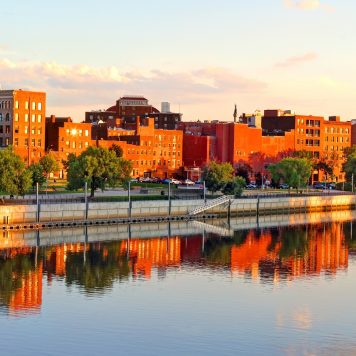
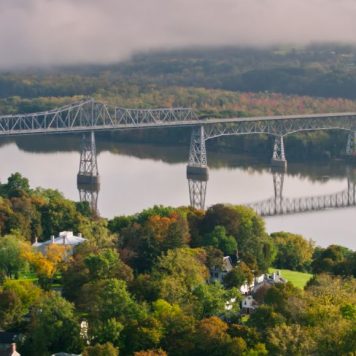
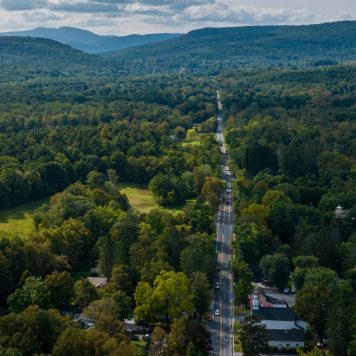
Nestled on the eastern shore of the Hudson River, Beacon has transformed from industrial roots into a vibrant cultural destination just 60 miles north of New York City and 90 miles south of Albany. This compact city spans 4.9 square miles and derives its name from the historic signal fires once lit on nearby mountains to warn Continental Army troops of British movements during the Revolutionary War.
Beacon’s renaissance as an arts hub began with the 2003 opening of Dia: Beacon, a world-renowned contemporary art museum housed in a former Nabisco printing factory. The 300,000-square-foot space showcases large-scale works by influential artists including Richard Serra, Donald Judd, Dan Flavin, and Louise Bourgeois, with dramatic natural lighting from skylights illuminating the massive installations. The museum anchors a thriving arts scene that includes numerous galleries, studios, and performance spaces throughout the city.
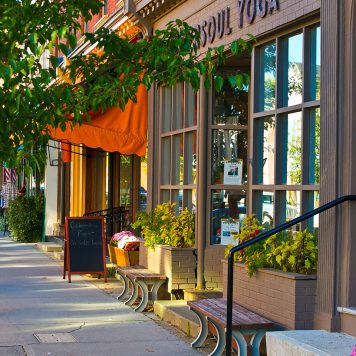
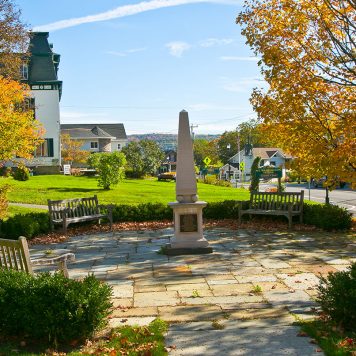
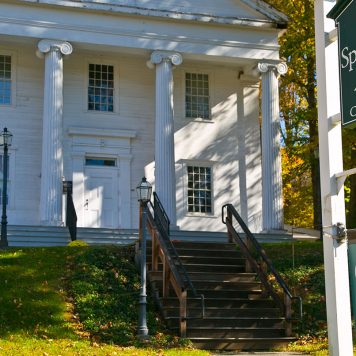
The historic Main Street stretches for over a mile, lined with Victorian and early 20th-century architecture housing independent boutiques, antique shops, galleries, craft beverage producers, and diverse dining options. Visitors can “explore the Victorian homes” throughout the neighborhoods, discovering the city’s architectural heritage while enjoying its walkable layout.
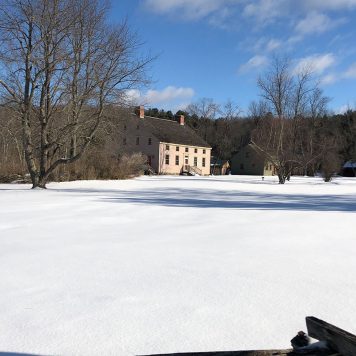
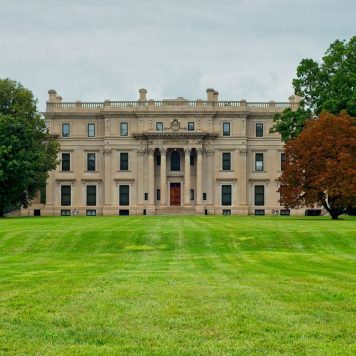
Beacon’s cultural landmarks include the Madam Brett Homestead, the oldest building in Dutchess County and listed on the National Register of Historic Places. Other significant sites include Eustatia, a well-preserved 1867 Victorian Gothic brick cottage overlooking the Hudson River, and the Howland Cultural Center, designed in 1872 by Richard Morris Hunt, which hosts performances and exhibitions throughout the year.
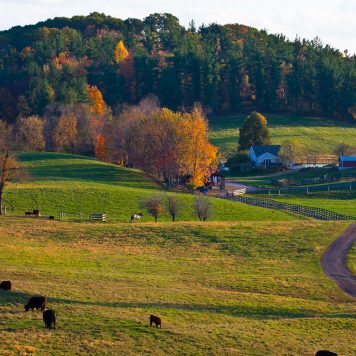
The city is physically divided into two distinct sections – River Side and Mountain Side – each with its own character and historic neighborhoods. This geographic diversity contributes to Beacon’s unique sense of place, providing varied settings from riverfront developments to hillside communities.
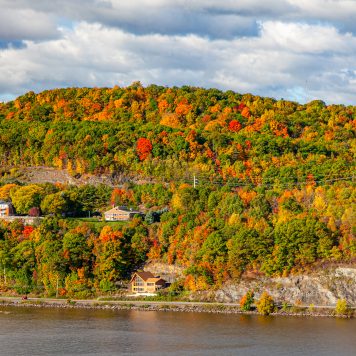
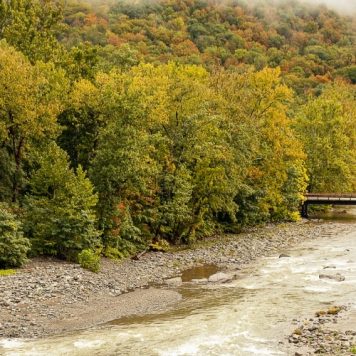
Nature enthusiasts appreciate Beacon’s outdoor offerings, including access to Mount Beacon, the Hudson Valley’s highest peak. The challenging hike to the summit rewards with panoramic views of the Hudson River, the city below, neighboring Newburgh, and distant Catskill Mountains. Additional recreational areas include Scenic Hudson’s Long Dock Park, Denning’s Point, and various parks and gardens throughout the city.
Transportation connectivity remains a key advantage, with Metro-North Railroad providing regular service to Manhattan’s Grand Central Terminal. This accessibility has fueled Beacon’s popularity among day-trippers and weekenders from New York City, contributing to its revitalized economy and cultural vibrancy.
Beacon’s transformation from industrial center to cultural destination exemplifies successful revitalization while honoring its historic character. With its compelling blend of arts, culture, outdoor recreation, and authentic community atmosphere, Beacon continues to attract visitors and new residents seeking a distinctive Hudson Valley experience with convenient urban connections.
Nestled on the eastern shore of the Hudson River, Beacon has transformed from industrial roots into a vibrant cultural destination just 60 miles north of New York City and 90 miles south of Albany. This compact city spans 4.9 square miles and derives its name from the historic signal fires once lit on nearby mountains to warn Continental Army troops of British movements during the Revolutionary War.
Beacon’s renaissance as an arts hub began with the 2003 opening of Dia: Beacon, a world-renowned contemporary art museum housed in a former Nabisco printing factory. The 300,000-square-foot space showcases large-scale works by influential artists including Richard Serra, Donald Judd, Dan Flavin, and Louise Bourgeois, with dramatic natural lighting from skylights illuminating the massive installations. The museum anchors a thriving arts scene that includes numerous galleries, studios, and performance spaces throughout the city.
The historic Main Street stretches for over a mile, lined with Victorian and early 20th-century architecture housing independent boutiques, antique shops, galleries, craft beverage producers, and diverse dining options. Visitors can “explore the Victorian homes” throughout the neighborhoods, discovering the city’s architectural heritage while enjoying its walkable layout.
Beacon’s cultural landmarks include the Madam Brett Homestead, the oldest building in Dutchess County and listed on the National Register of Historic Places. Other significant sites include Eustatia, a well-preserved 1867 Victorian Gothic brick cottage overlooking the Hudson River, and the Howland Cultural Center, designed in 1872 by Richard Morris Hunt, which hosts performances and exhibitions throughout the year.
The city is physically divided into two distinct sections – River Side and Mountain Side – each with its own character and historic neighborhoods. This geographic diversity contributes to Beacon’s unique sense of place, providing varied settings from riverfront developments to hillside communities.
Nature enthusiasts appreciate Beacon’s outdoor offerings, including access to Mount Beacon, the Hudson Valley’s highest peak. The challenging hike to the summit rewards with panoramic views of the Hudson River, the city below, neighboring Newburgh, and distant Catskill Mountains. Additional recreational areas include Scenic Hudson’s Long Dock Park, Denning’s Point, and various parks and gardens throughout the city.
Transportation connectivity remains a key advantage, with Metro-North Railroad providing regular service to Manhattan’s Grand Central Terminal. This accessibility has fueled Beacon’s popularity among day-trippers and weekenders from New York City, contributing to its revitalized economy and cultural vibrancy.
Beacon’s transformation from industrial center to cultural destination exemplifies successful revitalization while honoring its historic character. With its compelling blend of arts, culture, outdoor recreation, and authentic community atmosphere, Beacon continues to attract visitors and new residents seeking a distinctive Hudson Valley experience with convenient urban connections.
Nestled on the eastern shore of the Hudson River, Beacon has transformed from industrial roots into a vibrant cultural destination just 60 miles north of New York City and 90 miles south of Albany. This compact city spans 4.9 square miles and derives its name from the historic signal fires once lit on nearby mountains to warn Continental Army troops of British movements during the Revolutionary War.
Beacon’s renaissance as an arts hub began with the 2003 opening of Dia: Beacon, a world-renowned contemporary art museum housed in a former Nabisco printing factory. The 300,000-square-foot space showcases large-scale works by influential artists including Richard Serra, Donald Judd, Dan Flavin, and Louise Bourgeois, with dramatic natural lighting from skylights illuminating the massive installations. The museum anchors a thriving arts scene that includes numerous galleries, studios, and performance spaces throughout the city.
The historic Main Street stretches for over a mile, lined with Victorian and early 20th-century architecture housing independent boutiques, antique shops, galleries, craft beverage producers, and diverse dining options. Visitors can “explore the Victorian homes” throughout the neighborhoods, discovering the city’s architectural heritage while enjoying its walkable layout.
Beacon’s cultural landmarks include the Madam Brett Homestead, the oldest building in Dutchess County and listed on the National Register of Historic Places. Other significant sites include Eustatia, a well-preserved 1867 Victorian Gothic brick cottage overlooking the Hudson River, and the Howland Cultural Center, designed in 1872 by Richard Morris Hunt, which hosts performances and exhibitions throughout the year.
The city is physically divided into two distinct sections – River Side and Mountain Side – each with its own character and historic neighborhoods. This geographic diversity contributes to Beacon’s unique sense of place, providing varied settings from riverfront developments to hillside communities.
Nature enthusiasts appreciate Beacon’s outdoor offerings, including access to Mount Beacon, the Hudson Valley’s highest peak. The challenging hike to the summit rewards with panoramic views of the Hudson River, the city below, neighboring Newburgh, and distant Catskill Mountains. Additional recreational areas include Scenic Hudson’s Long Dock Park, Denning’s Point, and various parks and gardens throughout the city.
Transportation connectivity remains a key advantage, with Metro-North Railroad providing regular service to Manhattan’s Grand Central Terminal. This accessibility has fueled Beacon’s popularity among day-trippers and weekenders from New York City, contributing to its revitalized economy and cultural vibrancy.
Beacon’s transformation from industrial center to cultural destination exemplifies successful revitalization while honoring its historic character. With its compelling blend of arts, culture, outdoor recreation, and authentic community atmosphere, Beacon continues to attract visitors and new residents seeking a distinctive Hudson Valley experience with convenient urban connections.
Loading...
Looking for a home in Beacon? We can help. Contact us below!
Yes, I would like more information from Sotheby's International Realty. Please use and/or share my information with a Sotheby's International Realty agent to contact me about my real estate needs.
By clicking Send Message, I agree a Sotheby's International Realty Agent may contact me by phone or text message including by automated means about real estate services, and that I can access real estate services without providing my phone number. I acknowledge that I have read and agree to the Terms of Use and Privacy Policy