Clinton Corners, NY
$2,750,000

Hudson Valley, New York
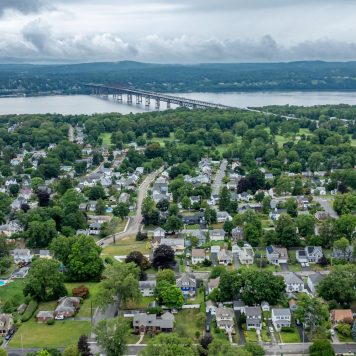
Clinton Corners epitomizes Hudson Valley rural charm, offering tranquil country living with convenient accessibility to regional attractions. This historic hamlet in southeastern Dutchess County honors George Clinton, New York’s first governor and a prominent Revolutionary War figure, preserving a connection to America’s founding heritage.
As one of seven distinct hamlets within the Town of Clinton, Clinton Corners maintains its individual character alongside Bulls Head, Clinton Hollow, Frost Mills, Hibernia, Pleasant Plains, and Schultzville. The area was initially settled when 27-year-old Arie Buys and his family left Rhinebeck in the early 1700s, establishing a community that would develop around agriculture and small-scale commerce.
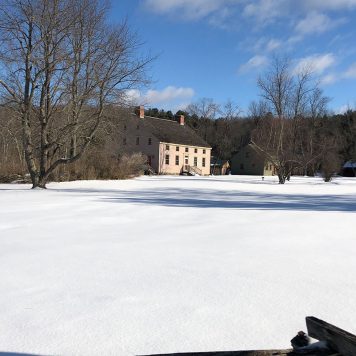
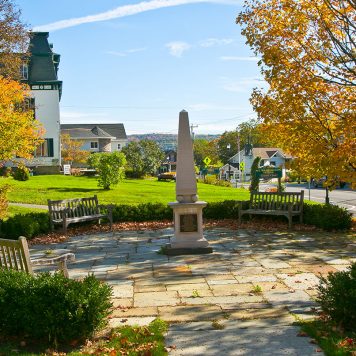
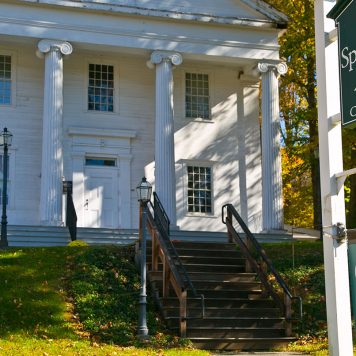
Historic preservation remains central to Clinton Corners’ identity. The hamlet features multiple structures on the National Register of Historic Places, most notably the Upton Lake Grange, originally constructed by Quakers in 1777 as the Creek Meeting House. Today this building serves as headquarters for the Clinton Historical Society, which operates an archive, publishes local history materials, and hosts programs celebrating the area’s heritage.
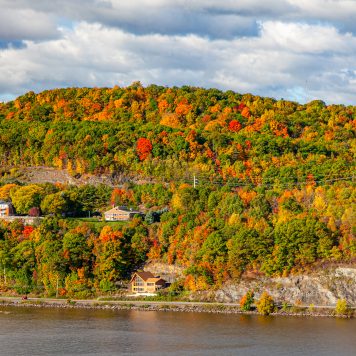
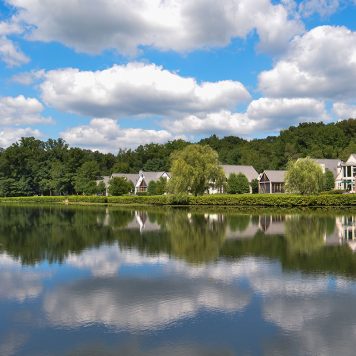
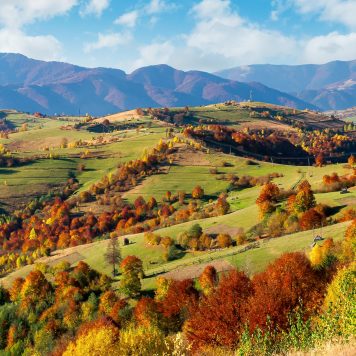
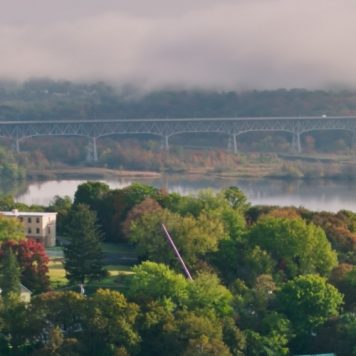
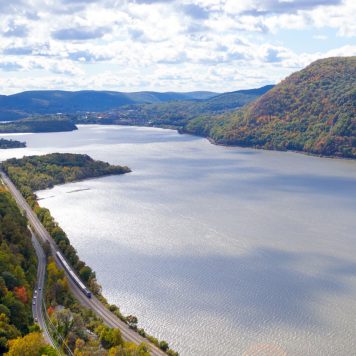
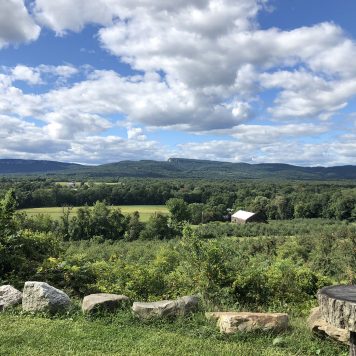
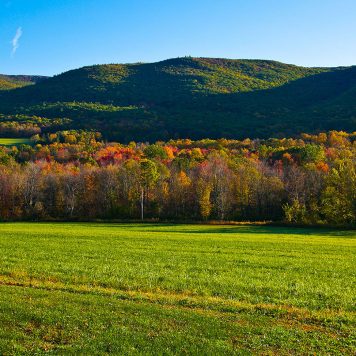
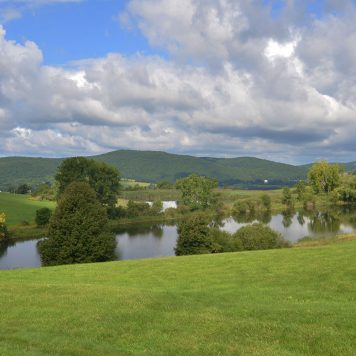
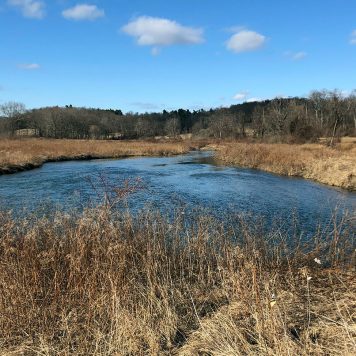
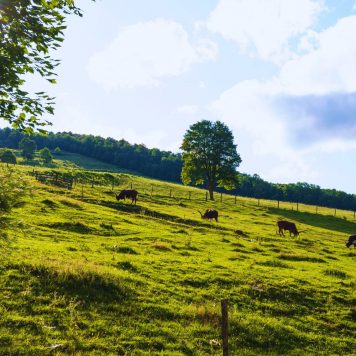
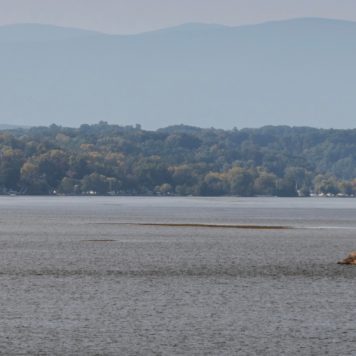
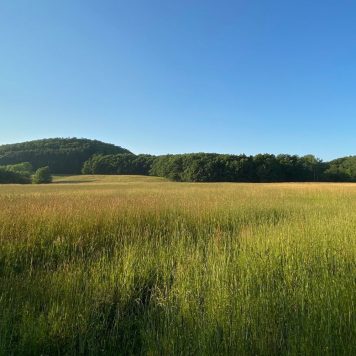
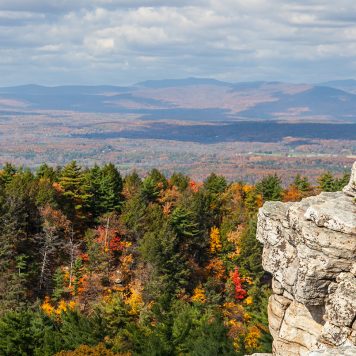
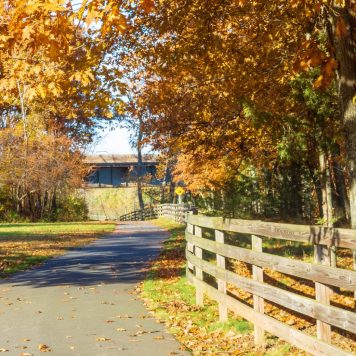
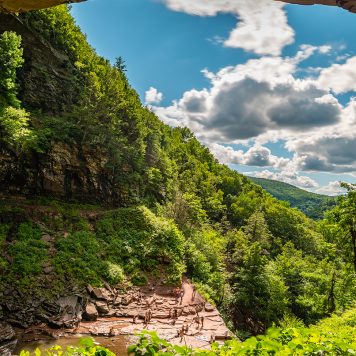
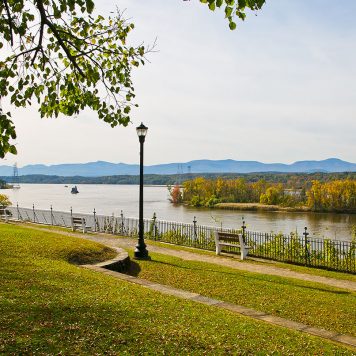
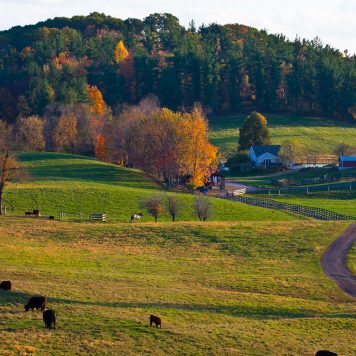
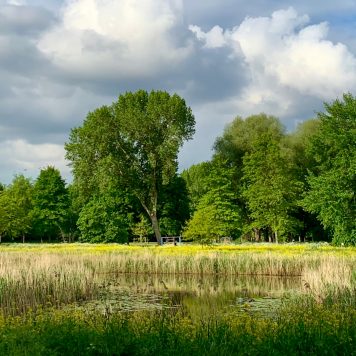
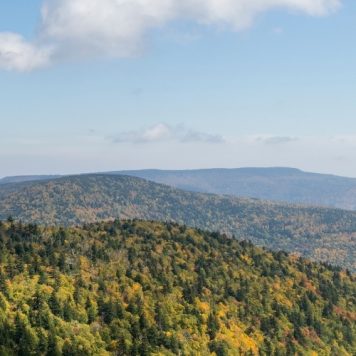
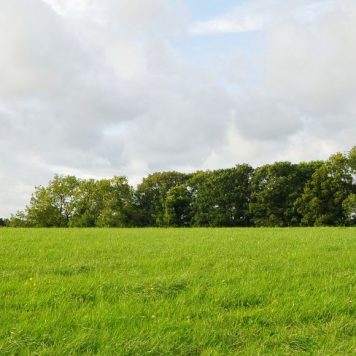
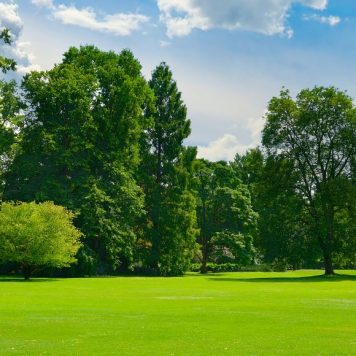
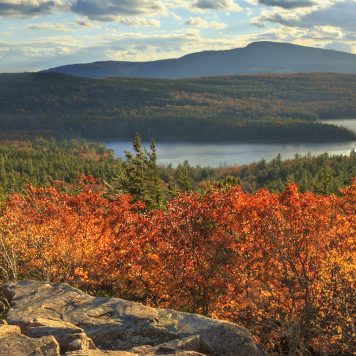
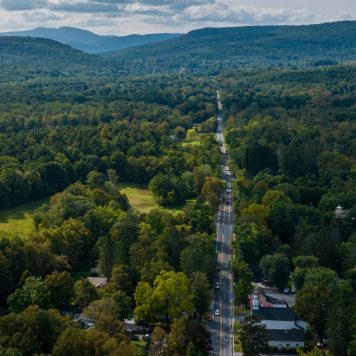
The natural landscape defines Clinton Corners, with gently rolling hills, open meadows, working farms, and pristine woodland creating a picturesque backdrop for daily life. The town has designated all seven hamlets as Critical Environmental Areas (CEAs), ensuring additional protection through enhanced scrutiny in the environmental review process for development projects. This commitment to conservation helps maintain the rural character residents cherish.
Transportation access remains a key advantage, with the Taconic State Parkway running through the Town of Clinton, providing convenient north-south connections while preserving the area’s secluded atmosphere. Historically, the Poughkeepsie and Eastern Railway served the hamlet, bringing agricultural products from local dairy farms to market, though the rail line has long since been decommissioned.
Local attractions include Clinton Vineyards, established over four decades ago on a 100-acre property, producing award-winning wines from Seyval Blanc grapes. Their tasting room welcomes visitors from July through October, providing an authentic farm-to-glass experience that showcases the region’s agricultural heritage.
For those seeking an authentic Hudson Valley lifestyle that balances rural tranquility with strategic accessibility, Clinton Corners offers a distinctive blend of historic character, natural beauty, and community connection – a place where country roads wind through landscapes largely unchanged by time, creating a peaceful retreat from urban intensity.
Clinton Corners epitomizes Hudson Valley rural charm, offering tranquil country living with convenient accessibility to regional attractions. This historic hamlet in southeastern Dutchess County honors George Clinton, New York’s first governor and a prominent Revolutionary War figure, preserving a connection to America’s founding heritage.
As one of seven distinct hamlets within the Town of Clinton, Clinton Corners maintains its individual character alongside Bulls Head, Clinton Hollow, Frost Mills, Hibernia, Pleasant Plains, and Schultzville. The area was initially settled when 27-year-old Arie Buys and his family left Rhinebeck in the early 1700s, establishing a community that would develop around agriculture and small-scale commerce.
Historic preservation remains central to Clinton Corners’ identity. The hamlet features multiple structures on the National Register of Historic Places, most notably the Upton Lake Grange, originally constructed by Quakers in 1777 as the Creek Meeting House. Today this building serves as headquarters for the Clinton Historical Society, which operates an archive, publishes local history materials, and hosts programs celebrating the area’s heritage.
The natural landscape defines Clinton Corners, with gently rolling hills, open meadows, working farms, and pristine woodland creating a picturesque backdrop for daily life. The town has designated all seven hamlets as Critical Environmental Areas (CEAs), ensuring additional protection through enhanced scrutiny in the environmental review process for development projects. This commitment to conservation helps maintain the rural character residents cherish.
Transportation access remains a key advantage, with the Taconic State Parkway running through the Town of Clinton, providing convenient north-south connections while preserving the area’s secluded atmosphere. Historically, the Poughkeepsie and Eastern Railway served the hamlet, bringing agricultural products from local dairy farms to market, though the rail line has long since been decommissioned.
Local attractions include Clinton Vineyards, established over four decades ago on a 100-acre property, producing award-winning wines from Seyval Blanc grapes. Their tasting room welcomes visitors from July through October, providing an authentic farm-to-glass experience that showcases the region’s agricultural heritage.
For those seeking an authentic Hudson Valley lifestyle that balances rural tranquility with strategic accessibility, Clinton Corners offers a distinctive blend of historic character, natural beauty, and community connection – a place where country roads wind through landscapes largely unchanged by time, creating a peaceful retreat from urban intensity.
Clinton Corners epitomizes Hudson Valley rural charm, offering tranquil country living with convenient accessibility to regional attractions. This historic hamlet in southeastern Dutchess County honors George Clinton, New York’s first governor and a prominent Revolutionary War figure, preserving a connection to America’s founding heritage.
As one of seven distinct hamlets within the Town of Clinton, Clinton Corners maintains its individual character alongside Bulls Head, Clinton Hollow, Frost Mills, Hibernia, Pleasant Plains, and Schultzville. The area was initially settled when 27-year-old Arie Buys and his family left Rhinebeck in the early 1700s, establishing a community that would develop around agriculture and small-scale commerce.
Historic preservation remains central to Clinton Corners’ identity. The hamlet features multiple structures on the National Register of Historic Places, most notably the Upton Lake Grange, originally constructed by Quakers in 1777 as the Creek Meeting House. Today this building serves as headquarters for the Clinton Historical Society, which operates an archive, publishes local history materials, and hosts programs celebrating the area’s heritage.
The natural landscape defines Clinton Corners, with gently rolling hills, open meadows, working farms, and pristine woodland creating a picturesque backdrop for daily life. The town has designated all seven hamlets as Critical Environmental Areas (CEAs), ensuring additional protection through enhanced scrutiny in the environmental review process for development projects. This commitment to conservation helps maintain the rural character residents cherish.
Transportation access remains a key advantage, with the Taconic State Parkway running through the Town of Clinton, providing convenient north-south connections while preserving the area’s secluded atmosphere. Historically, the Poughkeepsie and Eastern Railway served the hamlet, bringing agricultural products from local dairy farms to market, though the rail line has long since been decommissioned.
Local attractions include Clinton Vineyards, established over four decades ago on a 100-acre property, producing award-winning wines from Seyval Blanc grapes. Their tasting room welcomes visitors from July through October, providing an authentic farm-to-glass experience that showcases the region’s agricultural heritage.
For those seeking an authentic Hudson Valley lifestyle that balances rural tranquility with strategic accessibility, Clinton Corners offers a distinctive blend of historic character, natural beauty, and community connection – a place where country roads wind through landscapes largely unchanged by time, creating a peaceful retreat from urban intensity.


Clinton Corners
Clinton Corners is within Hudson Valley, New York and borders .
Loading...
Looking for a home in Clinton Corners? We can help. Contact us below!
Yes, I would like more information from Sotheby's International Realty. Please use and/or share my information with a Sotheby's International Realty agent to contact me about my real estate needs.
By clicking Send Message, I agree a Sotheby's International Realty Agent may contact me by phone or text message including by automated means about real estate services, and that I can access real estate services without providing my phone number. I acknowledge that I have read and agree to the Terms of Use and Privacy Policy