Rhinebeck, NY
$30,000/mo

Hudson Valley, New York
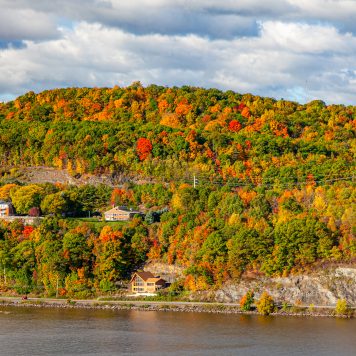
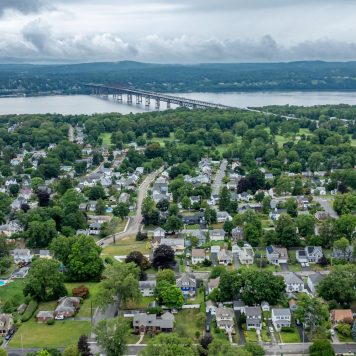
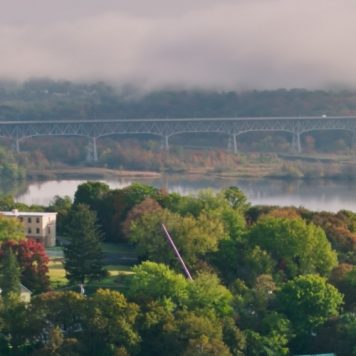
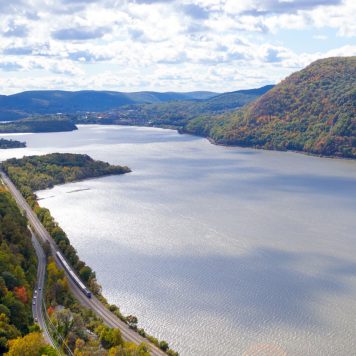
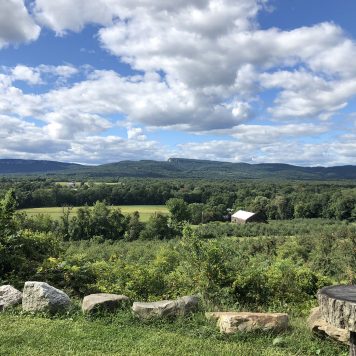
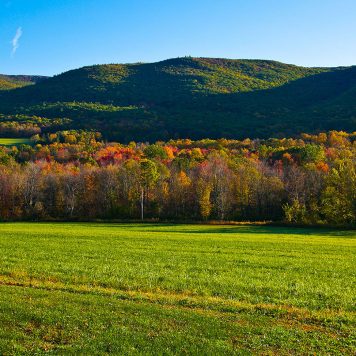
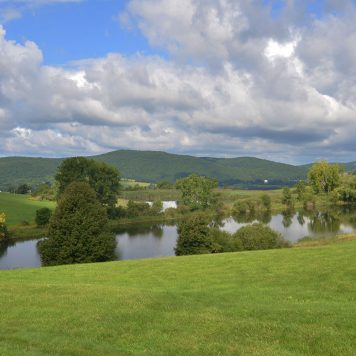
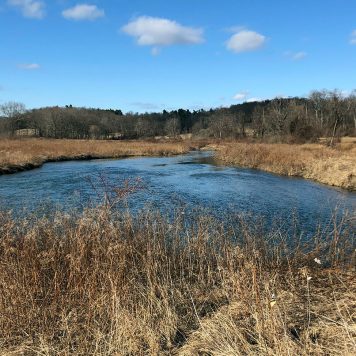
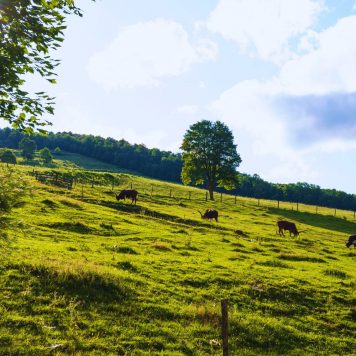
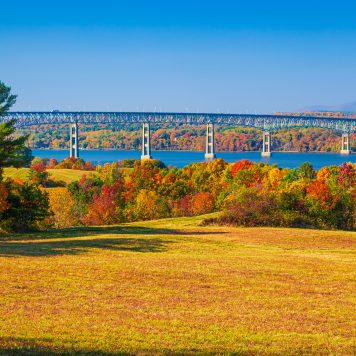
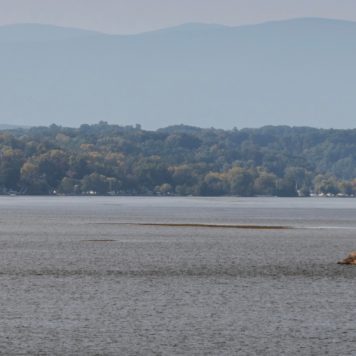
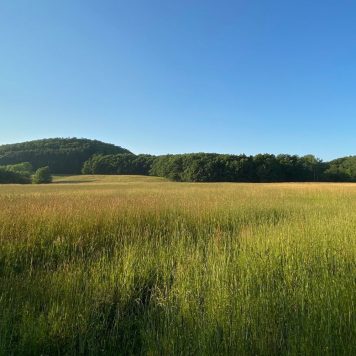
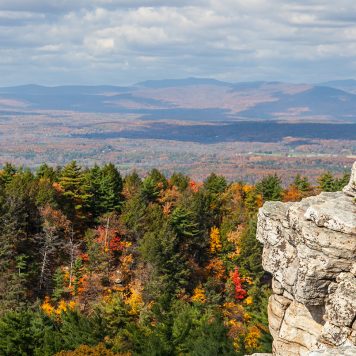
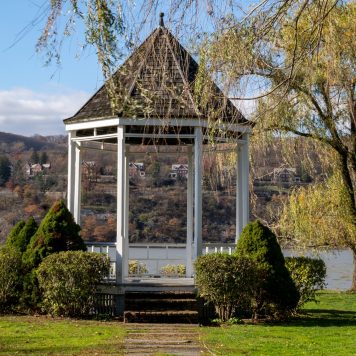
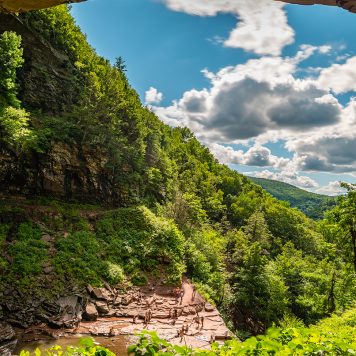
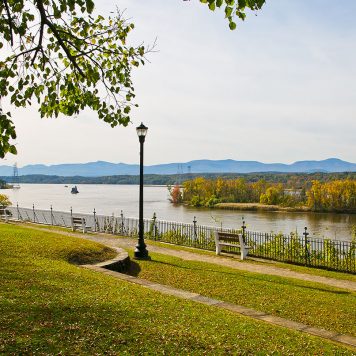
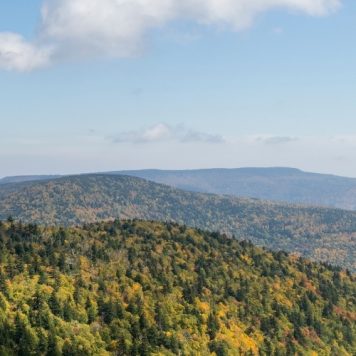
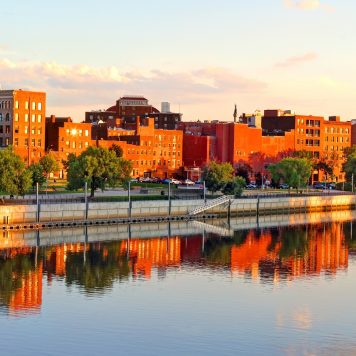
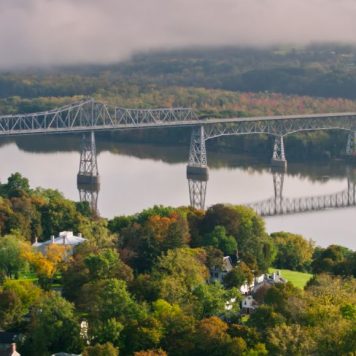
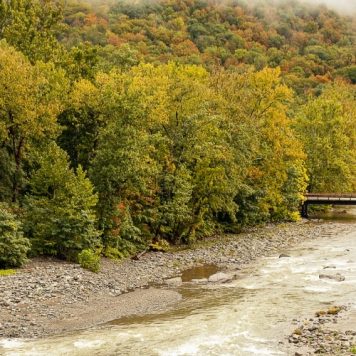
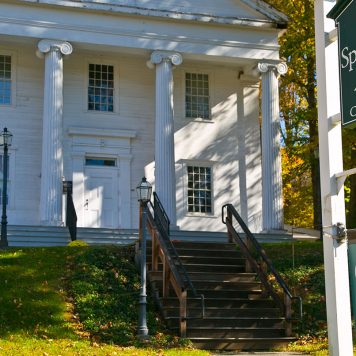
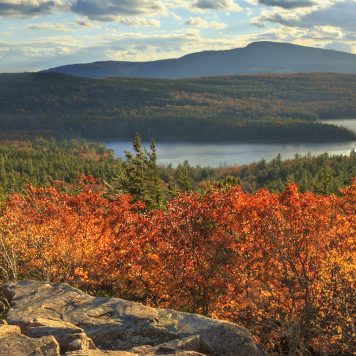
Rhinebeck, New York, is a popular historic town in Dutchess County in the Northern Hudson Valley. From dramatic views of the Catskill Mountains and the Hudson River to the sights and sounds of a thriving performing arts center at Bard College, Rhinebeck offers the best of today’s culture mixed with a deep sense of history.
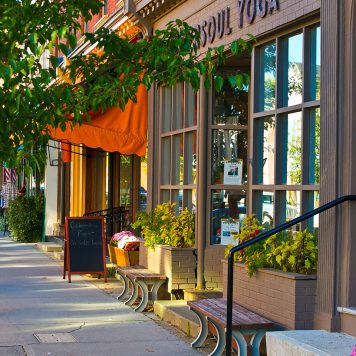
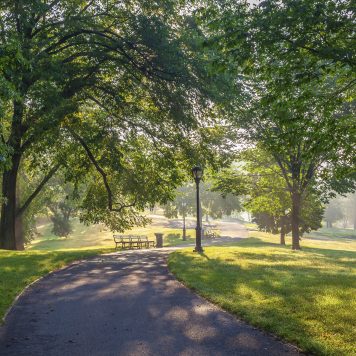
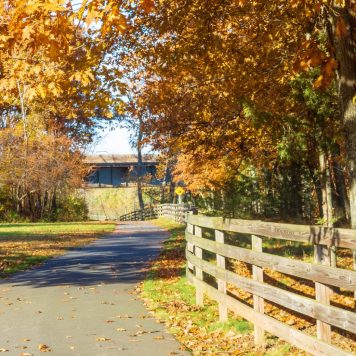
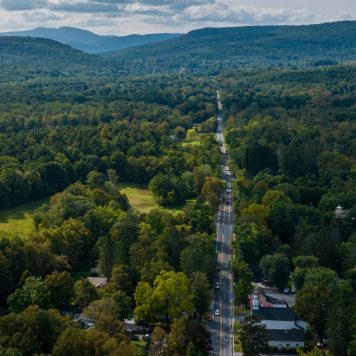
Rhinebeck, located on the banks of the Hudson River, is easily accessible from New York City, upstate New York, the Berkshires, and Connecticut. As residents and visitors know, the tree-lined streets, specialty stores, and scenic beauty make it hard to leave.
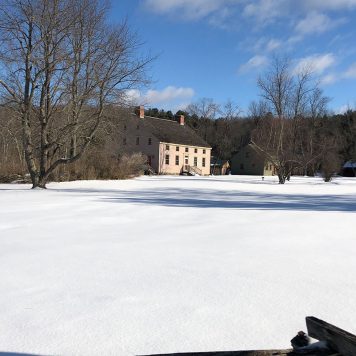
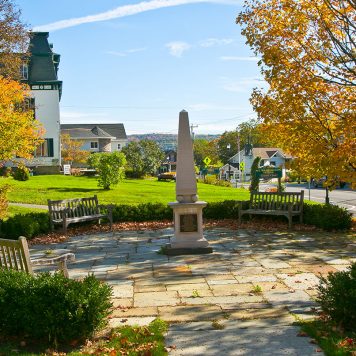
Rhinebeck was founded in 1686 thanks to a land transaction of 2,200 acres between four Dutchmen and six Native Americans of the Esopus (Kingston) and Sepasco (Rhinebeck) tribes. The Dutch settlers called their community Kipsbergen. In 1713, the name “Ryn Beck” was used. Today Rhinebeck has 437 National Historic Register sites. The Sixteen Mile Historic District is composed of 30 contiguous riverfront estates associated with landowners in the Hudson Valley dating from the 18th, 19th, and early 20th centuries.
Today, residents enjoy many landmarks and museums including the Old Rhinebeck Aerodrome, a living museum of antique aviation; the Omega Institute, the nation’s foremost educational retreat center; Montgomery Place Museum; and the Wilderstein Historic Site.
Rhinebeck, New York, is a popular historic town in Dutchess County in the Northern Hudson Valley. From dramatic views of the Catskill Mountains and the Hudson River to the sights and sounds of a thriving performing arts center at Bard College, Rhinebeck offers the best of today’s culture mixed with a deep sense of history.
Rhinebeck, located on the banks of the Hudson River, is easily accessible from New York City, upstate New York, the Berkshires, and Connecticut. As residents and visitors know, the tree-lined streets, specialty stores, and scenic beauty make it hard to leave.
Rhinebeck was founded in 1686 thanks to a land transaction of 2,200 acres between four Dutchmen and six Native Americans of the Esopus (Kingston) and Sepasco (Rhinebeck) tribes. The Dutch settlers called their community Kipsbergen. In 1713, the name “Ryn Beck” was used. Today Rhinebeck has 437 National Historic Register sites. The Sixteen Mile Historic District is composed of 30 contiguous riverfront estates associated with landowners in the Hudson Valley dating from the 18th, 19th, and early 20th centuries.
Today, residents enjoy many landmarks and museums including the Old Rhinebeck Aerodrome, a living museum of antique aviation; the Omega Institute, the nation’s foremost educational retreat center; Montgomery Place Museum; and the Wilderstein Historic Site.
Rhinebeck, New York, is a popular historic town in Dutchess County in the Northern Hudson Valley. From dramatic views of the Catskill Mountains and the Hudson River to the sights and sounds of a thriving performing arts center at Bard College, Rhinebeck offers the best of today’s culture mixed with a deep sense of history.
Rhinebeck, located on the banks of the Hudson River, is easily accessible from New York City, upstate New York, the Berkshires, and Connecticut. As residents and visitors know, the tree-lined streets, specialty stores, and scenic beauty make it hard to leave.
Rhinebeck was founded in 1686 thanks to a land transaction of 2,200 acres between four Dutchmen and six Native Americans of the Esopus (Kingston) and Sepasco (Rhinebeck) tribes. The Dutch settlers called their community Kipsbergen. In 1713, the name “Ryn Beck” was used. Today Rhinebeck has 437 National Historic Register sites. The Sixteen Mile Historic District is composed of 30 contiguous riverfront estates associated with landowners in the Hudson Valley dating from the 18th, 19th, and early 20th centuries.
Today, residents enjoy many landmarks and museums including the Old Rhinebeck Aerodrome, a living museum of antique aviation; the Omega Institute, the nation’s foremost educational retreat center; Montgomery Place Museum; and the Wilderstein Historic Site.
Rhinebeck
Rhinebeck is within Hudson Valley, New York and borders .
Loading...
Looking for a home in Rhinebeck? We can help. Contact us below!
Yes, I would like more information from Sotheby's International Realty. Please use and/or share my information with a Sotheby's International Realty agent to contact me about my real estate needs.
By clicking Send Message, I agree a Sotheby's International Realty Agent may contact me by phone or text message including by automated means about real estate services, and that I can access real estate services without providing my phone number. I acknowledge that I have read and agree to the Terms of Use and Privacy Policy