Dover Plains, NY
$5,000,000

Hudson Valley, New York
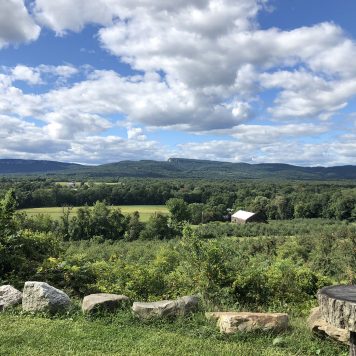
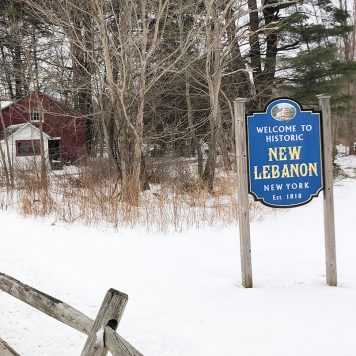
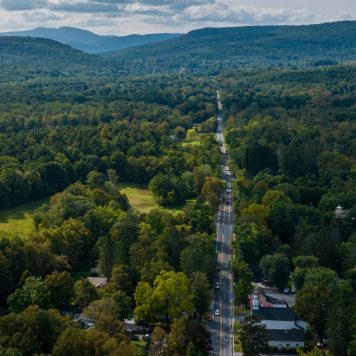
Nestled in the northern part of the Town of Dover, Dover Plains embodies the quintessential charm of Dutchess County’s rural communities. This historic hamlet, situated along NY Route 22, serves as both a residential center and cultural focal point within the larger township, offering a blend of natural wonders, historic sites, and modern conveniences.
The hamlet’s history dates back to the early colonial era, though its formal settlement timeline remains somewhat unclear. By 1802, the village consisted of less than a dozen buildings, with Lawrence and Joseph Belding operating the first store. The community grew steadily throughout the 19th century, particularly after the arrival of the New York and Harlem Railroad, which established Dover Plains as its northern terminus in 1848 before extending further north to Chatham in 1852.
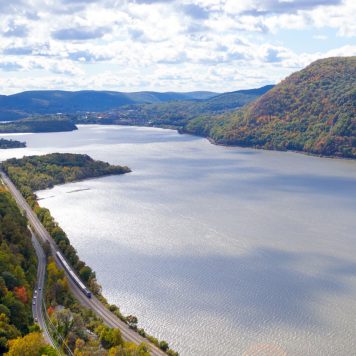
Today, the Metro-North Railroad’s Harlem Line continues this transportation legacy, maintaining a station in Dover Plains that provides direct service to New York City. This rail connection has long influenced the hamlet’s development, making it accessible for both commuters and weekend visitors seeking a rural escape.
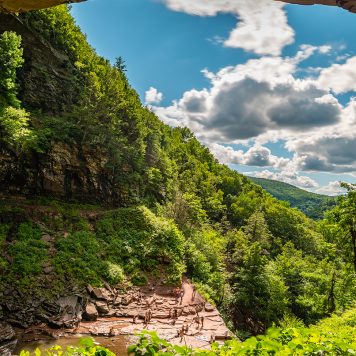
The crown jewel of Dover Plains’ natural attractions is undoubtedly the Dover Stone Church, a remarkable geological formation west of the hamlet center. This natural cavern features “a triangular entryway resembling the shape of a steeple” where “sunlight streams in through the fissure in the cave ceiling and dances on the water, filling the Church with a sublime, sparkling glow.” Stone Church Brook flows through this cathedral-like cavern, creating picturesque cascades and waterfalls.
The Stone Church’s historical significance extends deep into the region’s past. According to local legend, it served as a refuge for Pequot Chief Sassacus and his warriors in the 1600s as they fled from English forces during the Pequot War. By the 1830s, the site had become a popular tourist attraction, drawing thousands of visitors who stayed at the adjacent Stone Church Hotel. The area’s romantic ambiance even made it a popular wedding venue during that era.
In 2004, after centuries of private ownership, the Town of Dover purchased the Stone Church along with surrounding acreage in a collaborative effort with the Dutchess Land Conservancy and the Friends of Dover Stone Church. Today, the preserve encompasses 174 acres with over four miles of hiking trails, offering visitors access to this geological wonder and its surrounding natural landscape.
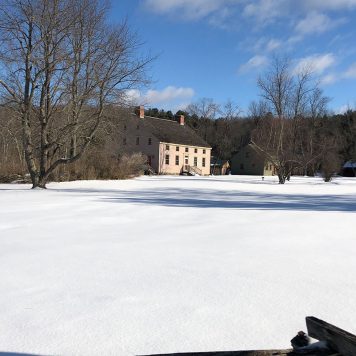
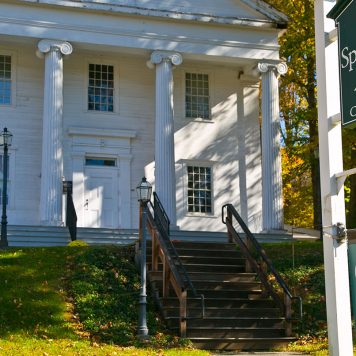
Among the hamlet’s significant historic structures stands the Tabor-Wing House, built in 1810 by Thomas Tabor, whose family owned much of present-day Dover Plains. This Federal-style building features “an unusual amount of decoration” and was listed on the National Register of Historic Places in 1982. After serving as the Dover Plains Library between 1979 and 2003, the building underwent restoration and now houses municipal offices and a local history museum.
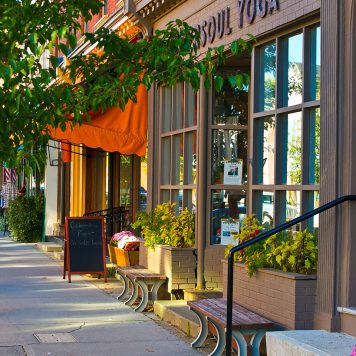
Other notable historic sites include the Methodist Episcopal Church of Dover Plains (organized in 1852) and St. James Episcopal Church (built in 1904). These structures, along with various 19th-century commercial buildings, contribute to the hamlet’s distinctive architectural character.
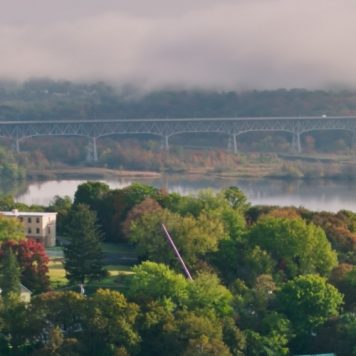
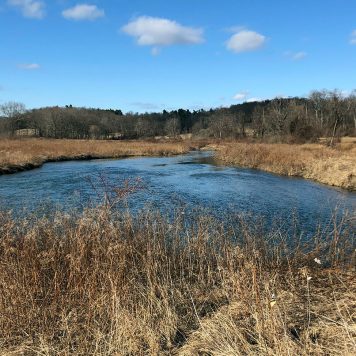
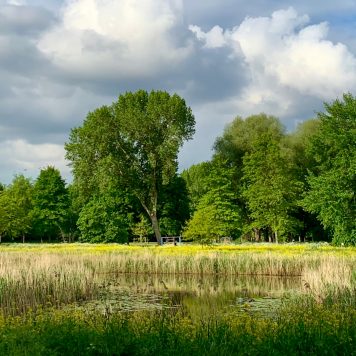
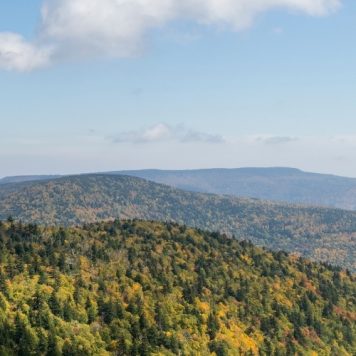
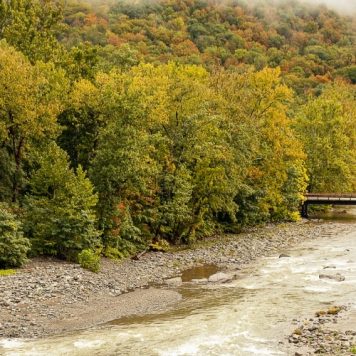
The surrounding area features abundant natural beauty, with the Ten Mile River flowing through the valley and creating scenic vistas throughout the hamlet. This waterway not only shapes the landscape but also provides recreational opportunities for fishing and kayaking enthusiasts.
With its combination of historical significance, natural attractions, and strategic location along major transportation routes, Dover Plains continues to maintain its identity as a distinctive community within the Hudson Valley region, offering residents and visitors alike a genuine connection to both the area’s rich past and its evolving present.
Nestled in the northern part of the Town of Dover, Dover Plains embodies the quintessential charm of Dutchess County’s rural communities. This historic hamlet, situated along NY Route 22, serves as both a residential center and cultural focal point within the larger township, offering a blend of natural wonders, historic sites, and modern conveniences.
The hamlet’s history dates back to the early colonial era, though its formal settlement timeline remains somewhat unclear. By 1802, the village consisted of less than a dozen buildings, with Lawrence and Joseph Belding operating the first store. The community grew steadily throughout the 19th century, particularly after the arrival of the New York and Harlem Railroad, which established Dover Plains as its northern terminus in 1848 before extending further north to Chatham in 1852.
Today, the Metro-North Railroad’s Harlem Line continues this transportation legacy, maintaining a station in Dover Plains that provides direct service to New York City. This rail connection has long influenced the hamlet’s development, making it accessible for both commuters and weekend visitors seeking a rural escape.
The crown jewel of Dover Plains’ natural attractions is undoubtedly the Dover Stone Church, a remarkable geological formation west of the hamlet center. This natural cavern features “a triangular entryway resembling the shape of a steeple” where “sunlight streams in through the fissure in the cave ceiling and dances on the water, filling the Church with a sublime, sparkling glow.” Stone Church Brook flows through this cathedral-like cavern, creating picturesque cascades and waterfalls.
The Stone Church’s historical significance extends deep into the region’s past. According to local legend, it served as a refuge for Pequot Chief Sassacus and his warriors in the 1600s as they fled from English forces during the Pequot War. By the 1830s, the site had become a popular tourist attraction, drawing thousands of visitors who stayed at the adjacent Stone Church Hotel. The area’s romantic ambiance even made it a popular wedding venue during that era.
In 2004, after centuries of private ownership, the Town of Dover purchased the Stone Church along with surrounding acreage in a collaborative effort with the Dutchess Land Conservancy and the Friends of Dover Stone Church. Today, the preserve encompasses 174 acres with over four miles of hiking trails, offering visitors access to this geological wonder and its surrounding natural landscape.
Among the hamlet’s significant historic structures stands the Tabor-Wing House, built in 1810 by Thomas Tabor, whose family owned much of present-day Dover Plains. This Federal-style building features “an unusual amount of decoration” and was listed on the National Register of Historic Places in 1982. After serving as the Dover Plains Library between 1979 and 2003, the building underwent restoration and now houses municipal offices and a local history museum.
Other notable historic sites include the Methodist Episcopal Church of Dover Plains (organized in 1852) and St. James Episcopal Church (built in 1904). These structures, along with various 19th-century commercial buildings, contribute to the hamlet’s distinctive architectural character.
The surrounding area features abundant natural beauty, with the Ten Mile River flowing through the valley and creating scenic vistas throughout the hamlet. This waterway not only shapes the landscape but also provides recreational opportunities for fishing and kayaking enthusiasts.
With its combination of historical significance, natural attractions, and strategic location along major transportation routes, Dover Plains continues to maintain its identity as a distinctive community within the Hudson Valley region, offering residents and visitors alike a genuine connection to both the area’s rich past and its evolving present.
Nestled in the northern part of the Town of Dover, Dover Plains embodies the quintessential charm of Dutchess County’s rural communities. This historic hamlet, situated along NY Route 22, serves as both a residential center and cultural focal point within the larger township, offering a blend of natural wonders, historic sites, and modern conveniences.
The hamlet’s history dates back to the early colonial era, though its formal settlement timeline remains somewhat unclear. By 1802, the village consisted of less than a dozen buildings, with Lawrence and Joseph Belding operating the first store. The community grew steadily throughout the 19th century, particularly after the arrival of the New York and Harlem Railroad, which established Dover Plains as its northern terminus in 1848 before extending further north to Chatham in 1852.
Today, the Metro-North Railroad’s Harlem Line continues this transportation legacy, maintaining a station in Dover Plains that provides direct service to New York City. This rail connection has long influenced the hamlet’s development, making it accessible for both commuters and weekend visitors seeking a rural escape.
The crown jewel of Dover Plains’ natural attractions is undoubtedly the Dover Stone Church, a remarkable geological formation west of the hamlet center. This natural cavern features “a triangular entryway resembling the shape of a steeple” where “sunlight streams in through the fissure in the cave ceiling and dances on the water, filling the Church with a sublime, sparkling glow.” Stone Church Brook flows through this cathedral-like cavern, creating picturesque cascades and waterfalls.
The Stone Church’s historical significance extends deep into the region’s past. According to local legend, it served as a refuge for Pequot Chief Sassacus and his warriors in the 1600s as they fled from English forces during the Pequot War. By the 1830s, the site had become a popular tourist attraction, drawing thousands of visitors who stayed at the adjacent Stone Church Hotel. The area’s romantic ambiance even made it a popular wedding venue during that era.
In 2004, after centuries of private ownership, the Town of Dover purchased the Stone Church along with surrounding acreage in a collaborative effort with the Dutchess Land Conservancy and the Friends of Dover Stone Church. Today, the preserve encompasses 174 acres with over four miles of hiking trails, offering visitors access to this geological wonder and its surrounding natural landscape.
Among the hamlet’s significant historic structures stands the Tabor-Wing House, built in 1810 by Thomas Tabor, whose family owned much of present-day Dover Plains. This Federal-style building features “an unusual amount of decoration” and was listed on the National Register of Historic Places in 1982. After serving as the Dover Plains Library between 1979 and 2003, the building underwent restoration and now houses municipal offices and a local history museum.
Other notable historic sites include the Methodist Episcopal Church of Dover Plains (organized in 1852) and St. James Episcopal Church (built in 1904). These structures, along with various 19th-century commercial buildings, contribute to the hamlet’s distinctive architectural character.
The surrounding area features abundant natural beauty, with the Ten Mile River flowing through the valley and creating scenic vistas throughout the hamlet. This waterway not only shapes the landscape but also provides recreational opportunities for fishing and kayaking enthusiasts.
With its combination of historical significance, natural attractions, and strategic location along major transportation routes, Dover Plains continues to maintain its identity as a distinctive community within the Hudson Valley region, offering residents and visitors alike a genuine connection to both the area’s rich past and its evolving present.
Dover Plains
Dover Plains is within Hudson Valley, New York and borders .
Loading...
Looking for a home in Dover Plains? We can help. Contact us below!
Yes, I would like more information from Sotheby's International Realty. Please use and/or share my information with a Sotheby's International Realty agent to contact me about my real estate needs.
By clicking Send Message, I agree a Sotheby's International Realty Agent may contact me by phone or text message including by automated means about real estate services, and that I can access real estate services without providing my phone number. I acknowledge that I have read and agree to the Terms of Use and Privacy Policy