Hyde Park, NY
$11,250,000

Hudson Valley, New York
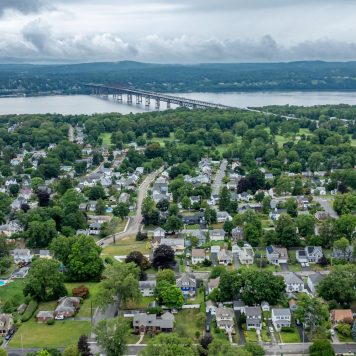
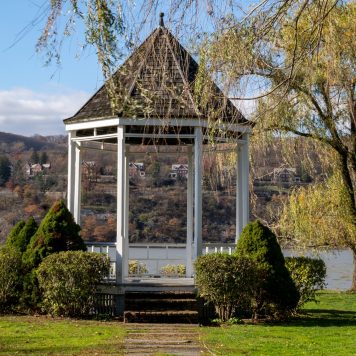
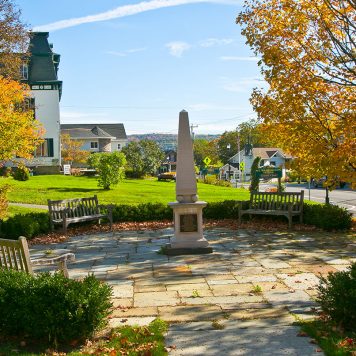
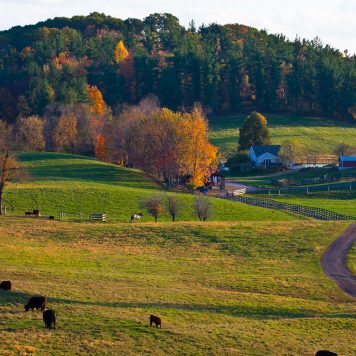
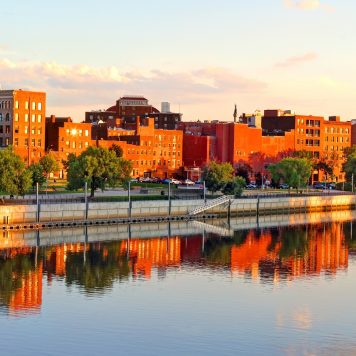
Located along the picturesque western shoreline of Dutchess County, Hyde Park exemplifies the rich historical tapestry and natural splendor of the Hudson Valley. This distinctive community, positioned approximately 90 miles north of New York City, has earned international recognition for its exceptional concentration of historic estates, cultural institutions, and scenic landscapes.
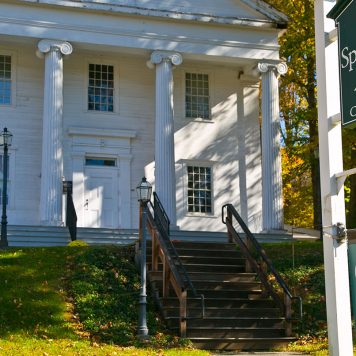
Most prominently, Hyde Park NY is known as the birthplace and lifelong home of Franklin D. Roosevelt, the 32nd President of the United States. The Roosevelt family estate, Springwood, stands as a testament to American political heritage and is now preserved as the Home of Franklin D. Roosevelt National Historic Site. Adjacent to this historic home is the Franklin D. Roosevelt Presidential Library and Museum, the nation’s first presidential library, which houses an extensive collection of documents, photographs, and exhibits chronicling Roosevelt’s extraordinary life and presidency.
The Eleanor Roosevelt National Historic Site, located just a few miles from Springwood, offers visitors insight into the remarkable life of one of history’s most influential First Ladies. Known as Val-Kill, this 180-acre property served as “Eleanor Roosevelt’s personal cottage – her retreat while her husband was alive, and her permanent home after his death”. This humble yet dignified residence reflects Eleanor’s independent spirit and dedication to social justice, standing in contrast to the grandeur of the main Roosevelt estate.
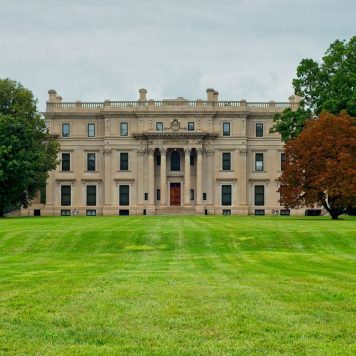
Equally impressive is the Vanderbilt Mansion National Historic Site, a magnificent example of America’s Gilded Age opulence. This “54-room Vanderbilt mansion was designed by the preeminent architectural firm McKim, Mead & White” and “built between 1896 and 1899” in the Beaux-Arts architectural style. Once the country home of Frederick and Louise Vanderbilt, the estate encompasses 211 acres of formal gardens, woodland trails, and commanding views of the Hudson River and Catskill Mountains.
The Mills Mansion, officially known as the Staatsburgh State Historic Site, represents another significant historic estate in the area. Built in the 19th century by Morgan Lewis and his wife Gertrude in the hamlet of Staatsburg, this impressive Beaux-Arts mansion offers guided tours and features extensive grounds with hiking trails. The property’s proximity to the Hudson River provides visitors with stunning vistas and recreational opportunities.
Beyond its historic estates, Hyde Park has earned international renown as the home of The Culinary Institute of America (CIA), widely regarded as the world’s premier culinary college. Founded in 1946, the CIA “has been setting the standard for excellence in professional culinary education for more than 70 years”. Its Hyde Park campus features award-winning student-run restaurants where visitors can experience exceptional cuisine prepared by tomorrow’s culinary innovators.
Visitors can “participate in an interactive demonstration where you’ll explore the science of taste” and “tour Roth Hall, the building where culinary magic happens” through guided experiences at the CIA. The institute’s presence has solidified Hyde Park’s reputation as a destination for culinary enthusiasts, with its restaurants offering sophisticated dining experiences while serving as vital educational laboratories for students.
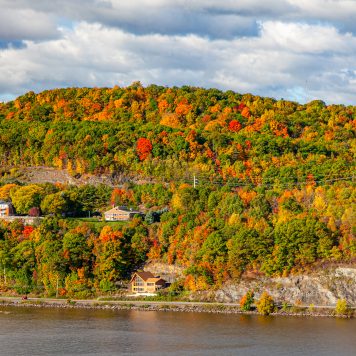
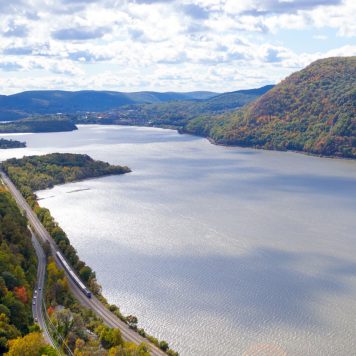
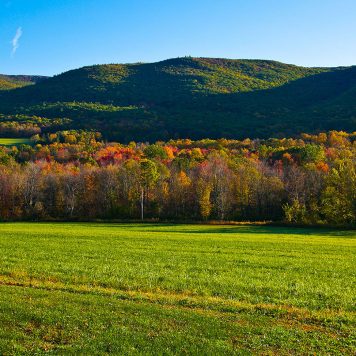
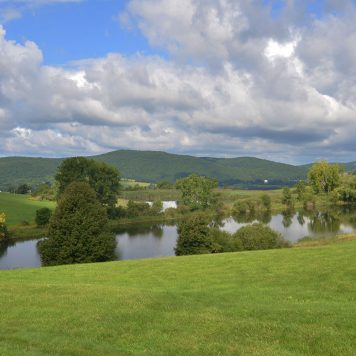
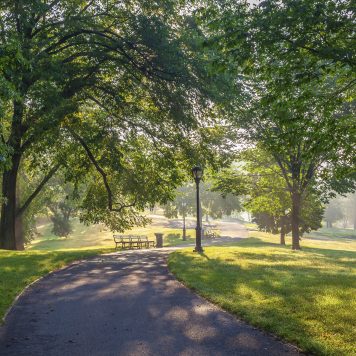
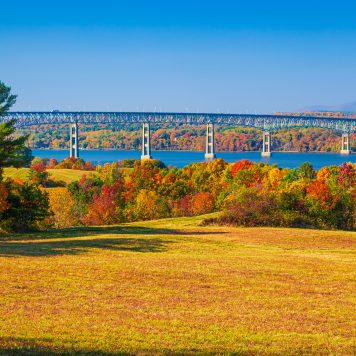
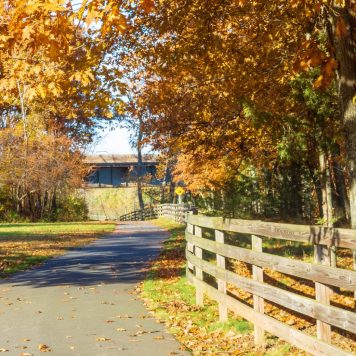
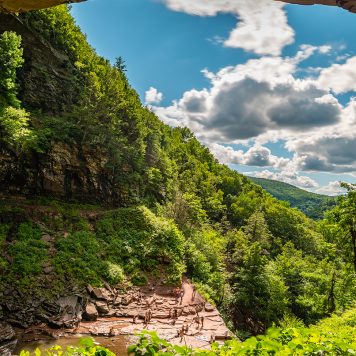
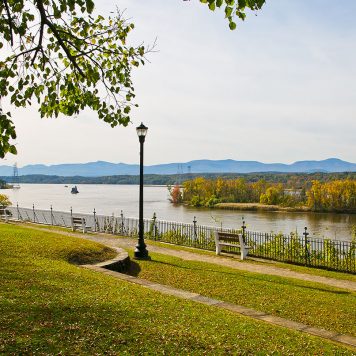
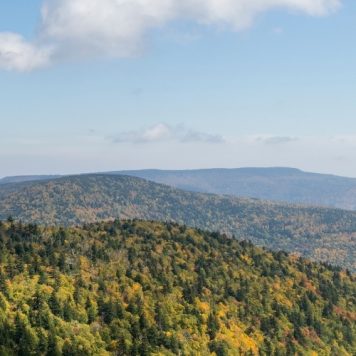
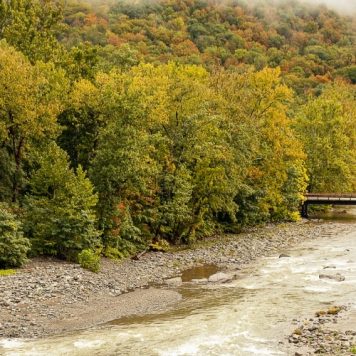
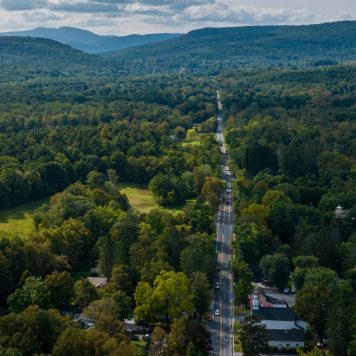
The town’s natural environment features mature tree-lined roadways, including the majestic sycamores along Route 9 that have stood for more than 250 years. The landscape provides “breathtaking views of the Hudson River and distant Catskill Mountains”, offering countless opportunities for outdoor recreation through well-maintained trails and parks.
Several of the milestones suggested by Benjamin Franklin, erected to guide postal carriers in the 18th century, can still be seen along local highways, providing tangible connections to the area’s colonial past. The town’s historic churches and original structures remain intact, preserving architectural elements that span several centuries of American development.
With its unique combination of presidential history, Gilded Age splendor, culinary excellence, and natural beauty, Hyde Park continues to draw visitors from around the world while maintaining its distinct character as a vibrant Hudson Valley community. The town’s commitment to preserving its heritage while embracing contemporary cultural offerings ensures its continued significance as a premier destination in the Hudson River Valley.
Located along the picturesque western shoreline of Dutchess County, Hyde Park exemplifies the rich historical tapestry and natural splendor of the Hudson Valley. This distinctive community, positioned approximately 90 miles north of New York City, has earned international recognition for its exceptional concentration of historic estates, cultural institutions, and scenic landscapes.
Most prominently, Hyde Park NY is known as the birthplace and lifelong home of Franklin D. Roosevelt, the 32nd President of the United States. The Roosevelt family estate, Springwood, stands as a testament to American political heritage and is now preserved as the Home of Franklin D. Roosevelt National Historic Site. Adjacent to this historic home is the Franklin D. Roosevelt Presidential Library and Museum, the nation’s first presidential library, which houses an extensive collection of documents, photographs, and exhibits chronicling Roosevelt’s extraordinary life and presidency.
The Eleanor Roosevelt National Historic Site, located just a few miles from Springwood, offers visitors insight into the remarkable life of one of history’s most influential First Ladies. Known as Val-Kill, this 180-acre property served as “Eleanor Roosevelt’s personal cottage – her retreat while her husband was alive, and her permanent home after his death”. This humble yet dignified residence reflects Eleanor’s independent spirit and dedication to social justice, standing in contrast to the grandeur of the main Roosevelt estate.
Equally impressive is the Vanderbilt Mansion National Historic Site, a magnificent example of America’s Gilded Age opulence. This “54-room Vanderbilt mansion was designed by the preeminent architectural firm McKim, Mead & White” and “built between 1896 and 1899” in the Beaux-Arts architectural style. Once the country home of Frederick and Louise Vanderbilt, the estate encompasses 211 acres of formal gardens, woodland trails, and commanding views of the Hudson River and Catskill Mountains.
The Mills Mansion, officially known as the Staatsburgh State Historic Site, represents another significant historic estate in the area. Built in the 19th century by Morgan Lewis and his wife Gertrude in the hamlet of Staatsburg, this impressive Beaux-Arts mansion offers guided tours and features extensive grounds with hiking trails. The property’s proximity to the Hudson River provides visitors with stunning vistas and recreational opportunities.
Beyond its historic estates, Hyde Park has earned international renown as the home of The Culinary Institute of America (CIA), widely regarded as the world’s premier culinary college. Founded in 1946, the CIA “has been setting the standard for excellence in professional culinary education for more than 70 years”. Its Hyde Park campus features award-winning student-run restaurants where visitors can experience exceptional cuisine prepared by tomorrow’s culinary innovators.
Visitors can “participate in an interactive demonstration where you’ll explore the science of taste” and “tour Roth Hall, the building where culinary magic happens” through guided experiences at the CIA. The institute’s presence has solidified Hyde Park’s reputation as a destination for culinary enthusiasts, with its restaurants offering sophisticated dining experiences while serving as vital educational laboratories for students.
The town’s natural environment features mature tree-lined roadways, including the majestic sycamores along Route 9 that have stood for more than 250 years. The landscape provides “breathtaking views of the Hudson River and distant Catskill Mountains”, offering countless opportunities for outdoor recreation through well-maintained trails and parks.
Several of the milestones suggested by Benjamin Franklin, erected to guide postal carriers in the 18th century, can still be seen along local highways, providing tangible connections to the area’s colonial past. The town’s historic churches and original structures remain intact, preserving architectural elements that span several centuries of American development.
With its unique combination of presidential history, Gilded Age splendor, culinary excellence, and natural beauty, Hyde Park continues to draw visitors from around the world while maintaining its distinct character as a vibrant Hudson Valley community. The town’s commitment to preserving its heritage while embracing contemporary cultural offerings ensures its continued significance as a premier destination in the Hudson River Valley.
Located along the picturesque western shoreline of Dutchess County, Hyde Park exemplifies the rich historical tapestry and natural splendor of the Hudson Valley. This distinctive community, positioned approximately 90 miles north of New York City, has earned international recognition for its exceptional concentration of historic estates, cultural institutions, and scenic landscapes.
Most prominently, Hyde Park NY is known as the birthplace and lifelong home of Franklin D. Roosevelt, the 32nd President of the United States. The Roosevelt family estate, Springwood, stands as a testament to American political heritage and is now preserved as the Home of Franklin D. Roosevelt National Historic Site. Adjacent to this historic home is the Franklin D. Roosevelt Presidential Library and Museum, the nation’s first presidential library, which houses an extensive collection of documents, photographs, and exhibits chronicling Roosevelt’s extraordinary life and presidency.
The Eleanor Roosevelt National Historic Site, located just a few miles from Springwood, offers visitors insight into the remarkable life of one of history’s most influential First Ladies. Known as Val-Kill, this 180-acre property served as “Eleanor Roosevelt’s personal cottage – her retreat while her husband was alive, and her permanent home after his death”. This humble yet dignified residence reflects Eleanor’s independent spirit and dedication to social justice, standing in contrast to the grandeur of the main Roosevelt estate.
Equally impressive is the Vanderbilt Mansion National Historic Site, a magnificent example of America’s Gilded Age opulence. This “54-room Vanderbilt mansion was designed by the preeminent architectural firm McKim, Mead & White” and “built between 1896 and 1899” in the Beaux-Arts architectural style. Once the country home of Frederick and Louise Vanderbilt, the estate encompasses 211 acres of formal gardens, woodland trails, and commanding views of the Hudson River and Catskill Mountains.
The Mills Mansion, officially known as the Staatsburgh State Historic Site, represents another significant historic estate in the area. Built in the 19th century by Morgan Lewis and his wife Gertrude in the hamlet of Staatsburg, this impressive Beaux-Arts mansion offers guided tours and features extensive grounds with hiking trails. The property’s proximity to the Hudson River provides visitors with stunning vistas and recreational opportunities.
Beyond its historic estates, Hyde Park has earned international renown as the home of The Culinary Institute of America (CIA), widely regarded as the world’s premier culinary college. Founded in 1946, the CIA “has been setting the standard for excellence in professional culinary education for more than 70 years”. Its Hyde Park campus features award-winning student-run restaurants where visitors can experience exceptional cuisine prepared by tomorrow’s culinary innovators.
Visitors can “participate in an interactive demonstration where you’ll explore the science of taste” and “tour Roth Hall, the building where culinary magic happens” through guided experiences at the CIA. The institute’s presence has solidified Hyde Park’s reputation as a destination for culinary enthusiasts, with its restaurants offering sophisticated dining experiences while serving as vital educational laboratories for students.
The town’s natural environment features mature tree-lined roadways, including the majestic sycamores along Route 9 that have stood for more than 250 years. The landscape provides “breathtaking views of the Hudson River and distant Catskill Mountains”, offering countless opportunities for outdoor recreation through well-maintained trails and parks.
Several of the milestones suggested by Benjamin Franklin, erected to guide postal carriers in the 18th century, can still be seen along local highways, providing tangible connections to the area’s colonial past. The town’s historic churches and original structures remain intact, preserving architectural elements that span several centuries of American development.
With its unique combination of presidential history, Gilded Age splendor, culinary excellence, and natural beauty, Hyde Park continues to draw visitors from around the world while maintaining its distinct character as a vibrant Hudson Valley community. The town’s commitment to preserving its heritage while embracing contemporary cultural offerings ensures its continued significance as a premier destination in the Hudson River Valley.
Hyde Park
Hyde Park is within Hudson Valley, New York and borders .
Loading...
Looking for a home in Hyde Park? We can help. Contact us below!
Yes, I would like more information from Sotheby's International Realty. Please use and/or share my information with a Sotheby's International Realty agent to contact me about my real estate needs.
By clicking Send Message, I agree a Sotheby's International Realty Agent may contact me by phone or text message including by automated means about real estate services, and that I can access real estate services without providing my phone number. I acknowledge that I have read and agree to the Terms of Use and Privacy Policy